The Complete Guide to Independent Film Distribution in 2026

Why Direct Distribution Matters
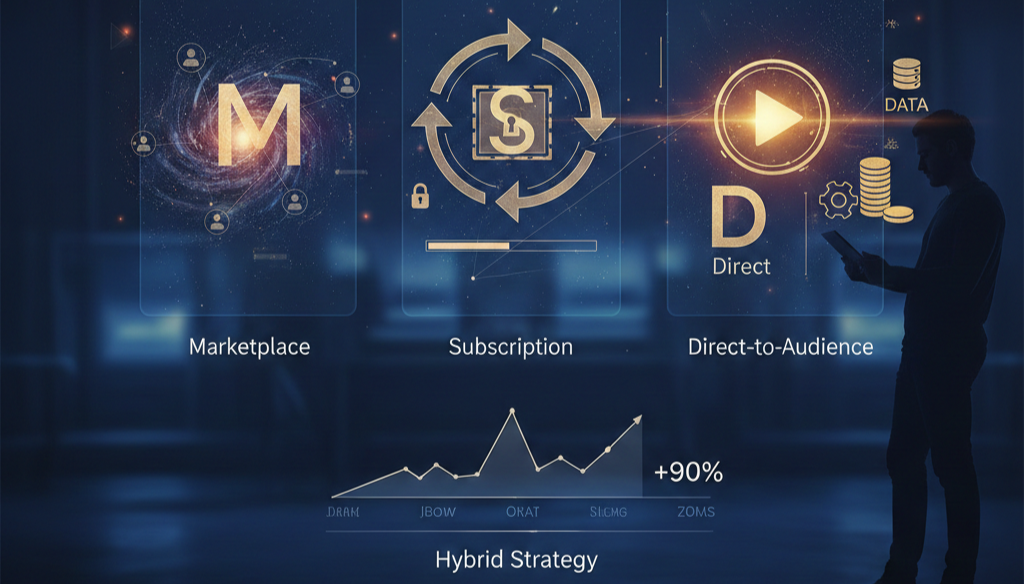
The landscape of independent film distribution has shifted dramatically. Filmmakers no longer need to rely solely on traditional gatekeepers (distributors, aggregators, and middlemen) to reach their audience. Direct-to-audience platforms give creators full control over pricing, data, and the relationship with their viewers.
The Old Model vs. The New Model
In the traditional model, filmmakers would spend months (or years) submitting to festivals, negotiating with distributors, and ultimately giving up a significant percentage of their revenue. The new model is simpler:
- Upload your film to a platform you control
- Set your own pricing for rentals, purchases, or bundles
- Own your audience data: emails, viewing habits, demographics
- Receive payments directly through your own payment processor
"The best distribution strategy is one where you maintain a direct relationship with your audience." - Independent Film Quarterly
Key Considerations for Direct Distribution
Before launching your film online, consider these critical factors:
- Playback reliability: Your film needs dependable hosted streaming, clear access rules, and a checkout flow that works cleanly on launch day.
- Payment Processing: Direct payment integrations (like Stripe) ensure you receive revenue immediately, without waiting for quarterly payouts.
- Marketing Tools: Email marketing integration, social sharing, and clear reporting are essential for driving traffic to your film's page.
- Custom Branding: Your film deserves its own identity. A generic "watch now" page on a marketplace doesn't build your brand.
Building Your Distribution Strategy
A successful distribution strategy combines multiple channels:
1. Your Own Website
This is your home base. A dedicated website for your film gives you complete control over the experience. You can customize the design, set your own prices, and collect audience data directly.
2. Festival Circuit
Festivals remain valuable for building buzz and credibility. Submit to festivals strategically, focus on those that align with your film's genre and target audience.
3. Social Media & Email Marketing
Build an audience before your film launches. Use social media to share behind-the-scenes content, teasers, and updates. Email marketing has the highest ROI of any digital marketing channel.
4. Press & Reviews
Reach out to film bloggers, journalists, and reviewers. A positive review from a trusted source can drive significant traffic to your distribution page.
Technical Requirements
When choosing a distribution platform, ensure it offers:
- Adaptive bitrate streaming for smooth playback on any connection
- Multi-device support: desktop, mobile, tablet, smart TVs
- Clear sales and audience reporting so you can follow launch performance
- SEO optimization so your film appears in search results
- Password-protected screeners for press and festival submissions
Conclusion
Direct distribution isn't just an alternative: it's becoming the preferred model for independent filmmakers who value creative control and financial transparency. The tools available today make it possible to reach a global audience without compromising on launch quality or buyer experience.
The key is to start building your audience now, choose the right platform, and create a distribution strategy that works for your specific film and goals. For the operating system behind that strategy, see the structured launch standard, the 30-day launch framework, and a practical comparison of platforms to sell your film online.