The Gates of Shinto
Shintō, which is still largely unknown in the West, is based on the intimate relationship between Man and Nature.
- Genre
- Documentary
- Runtime
- 1h 7m
- Audio
- French · Stereo
- Subtitles
- English, French +3
- Quality
- FHD
- Aspect ratio
- 16:9
 I · This filmThe Gates of Shinto
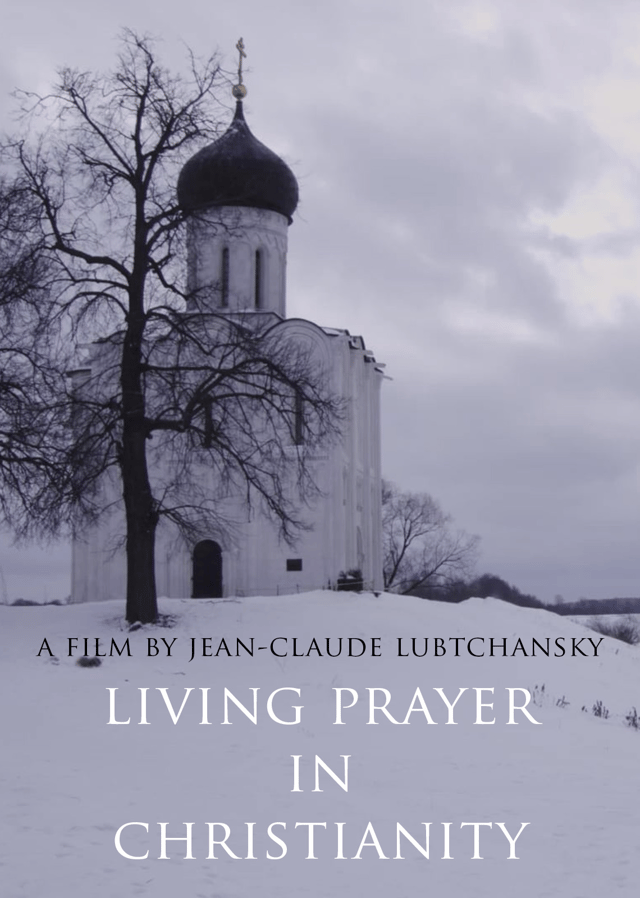
 IILiving Prayer in Christianity
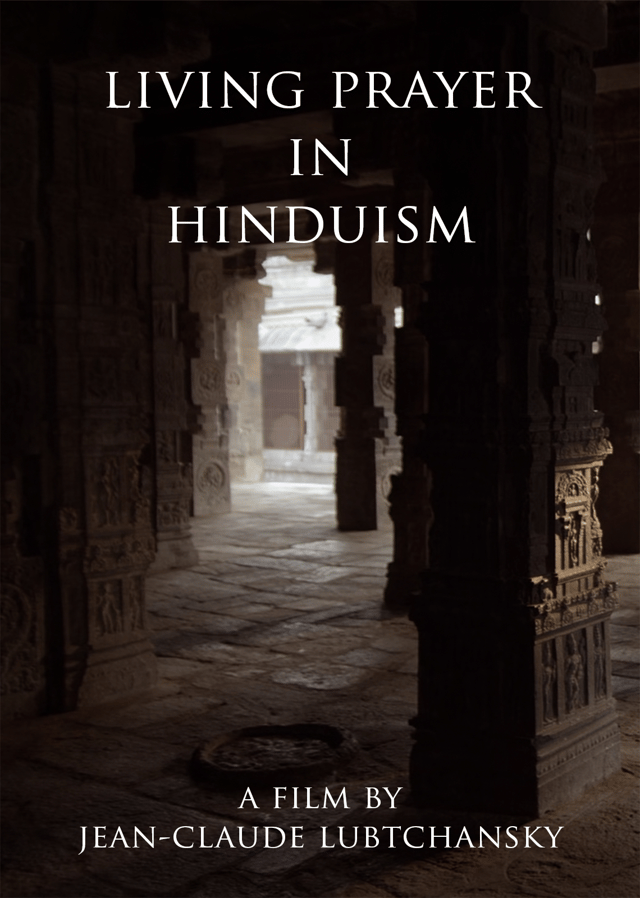
 IIILiving Prayer in Hinduism
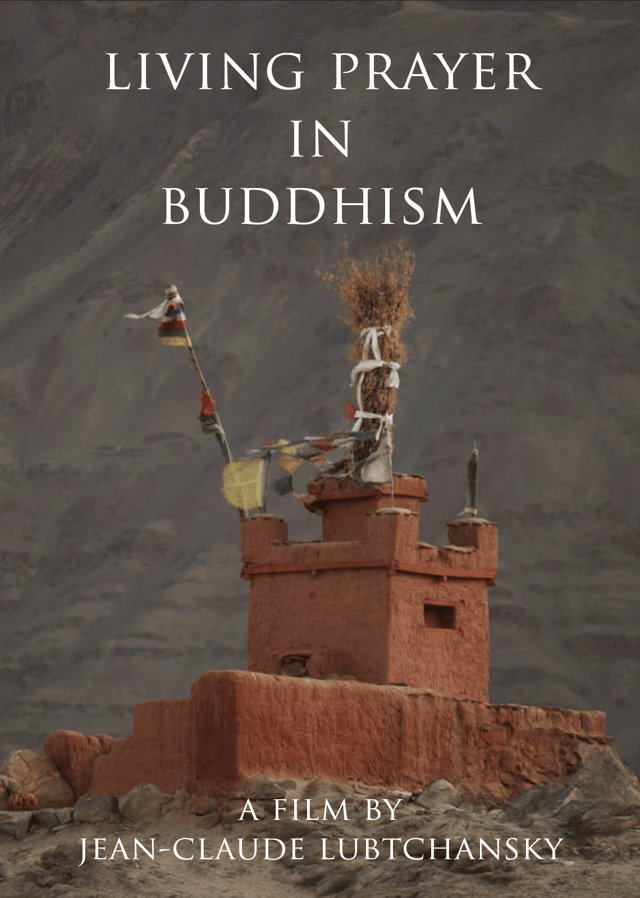
 IVLiving Prayer in Buddhism
About the film
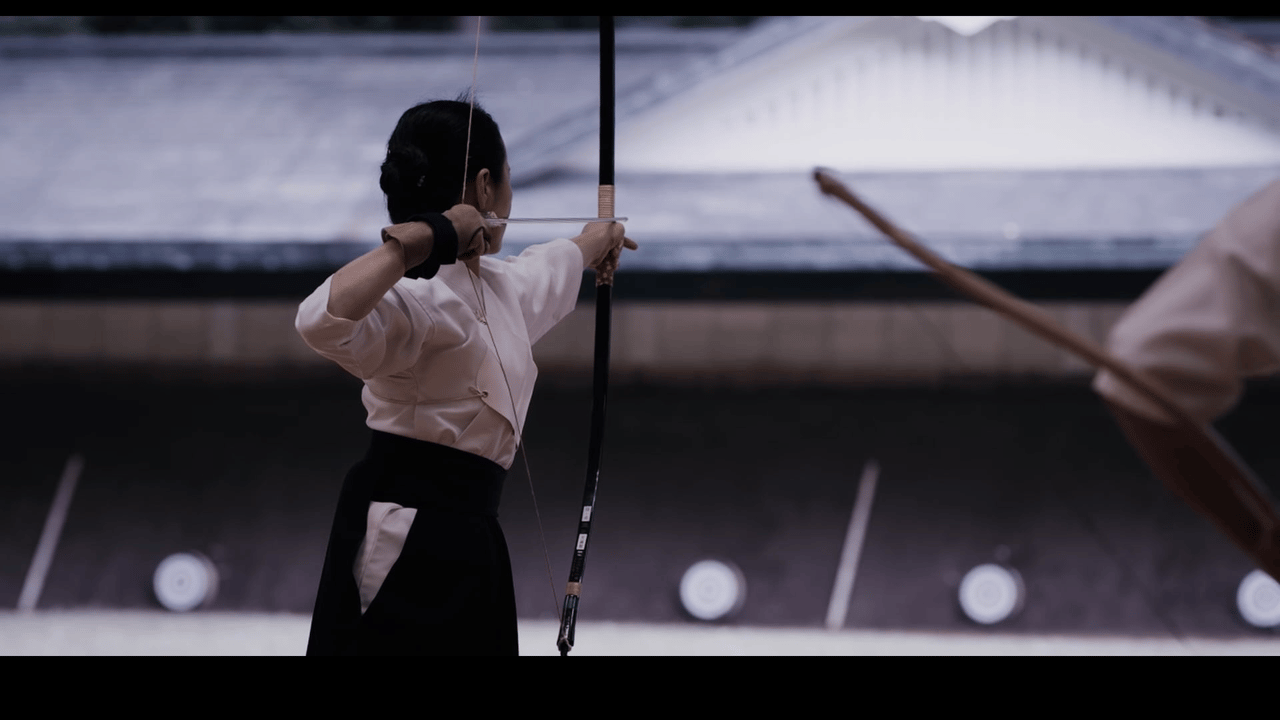
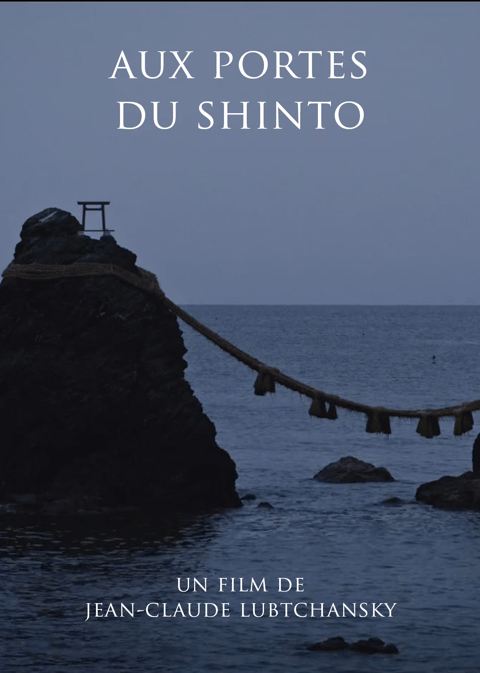
In The Gates of Shintō, the fourth film in Jean-Claude Lubtchansky’s series on spiritual traditions, an unstaged pilgrimage through Japan’s shrines, ceremonies and martial arts, narrated from traditional myths such as that of the sun goddess Amaterasu, reveals Shintō as a living bond between humans and nature, where the kami and the renewal of the shrines at Ise express continuity through cycle and craft.
The Gates of Shintō is the first film showing the different aspects of this tradition, which is at the source of Japanese culture and is still very much alive today. It tells the myth of Amaterasu, the sun goddess- on a pilgrimage which pays homage to nature, its cycle and the ancestors, through martial arts and ceremonies in shrines.
In Shintō, there exists a profound sense of cycle and the transmission of tradition. For example, the shrines at Ise are completely rebuilt every 20 years, preserving the practice and techniques of the past while renewing it for the present. This rhythm makes the tradition both ancient and perpetually new, embodying continuity through renewal and revealing the importance in spiritual practice of craft and physical work. In the same way a profound knowledge of the natural world make space for silence that doesn’t become artificial.
The Gates of Shinto is the 4th film director Jean-Claude Lubtchansky (1930-2020) made on spiritual traditions. In Japan, the small crew sought what was still alive and authentic. It quickly became clear that they were encountering the same kind of seekers they met while filming Living Prayer in Christianity, Buddhism, and Hinduism: those in pursuit of truth and sincerity. Not a single scene was staged for the camera. Lubtchansky wished for the film crew to remain invisible and respectful, allowing them to participate and witness without disturbing the natural order.
The narration is based on traditional Shintō myths.
Support from the Association of Shintō Shrines made this film possible and opened the doors to the most remarkable Shintō sites in Japan.
During the 26 consecutive days of filming, Lubtchansky insisted that the attention be directed toward one goal: revealing this quest. Creating this series of films in the winter of his life, Lubtchansky felt it was essential to testify to his understanding of the Gurdjieff teaching through the lens of other cultures.
The narration is based on sacred texts of Hinduism tradition.
Director Jean-Claude Lubtchansky (1930-2020) was a free-lance film director who lived in Paris, France. He made films for over 60 years and has collaborated with his son Mikaël as cameraman for 25 years and his daughter Gabrielle was the editor of this series of films
- Subtitles
English, French, Portuguese, Spanish, Japanese
What people are saying
“”
Inside the film
Cast & crew
- producerActor · Mulberry Tree