
The Hand Through the Glass
For more than twenty years, Cristóbal Krusen could only reach his son through locked doors. He wrote letters. He made a film. And then, one spring, the doors opened onto a garden.
TribuShare Journal
Stories behind the films
There is a small opening in the door, just wide enough for a hand.
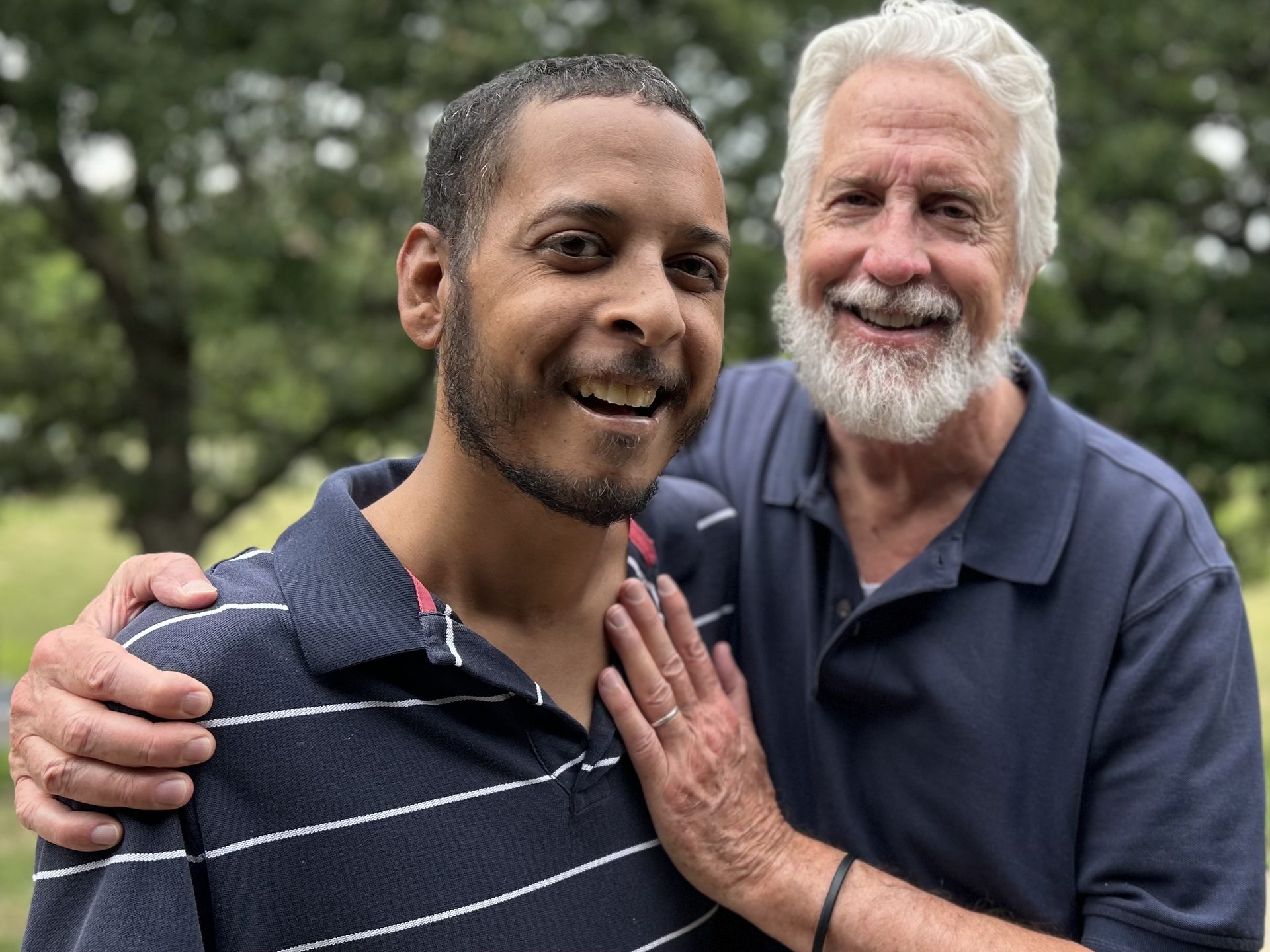
On one side stands a father. On the other stands his son, who is not allowed to be touched. No hug, no hand on the shoulder. For more than five years, this is how Cristóbal Krusen visits Daniel: he slides his arm through the gap in the Plexiglas and holds his boy's hand for as long as the staff will let him.
Then he drives home. He comes back. He drives home again.
It went on like that for years.
The firstborn
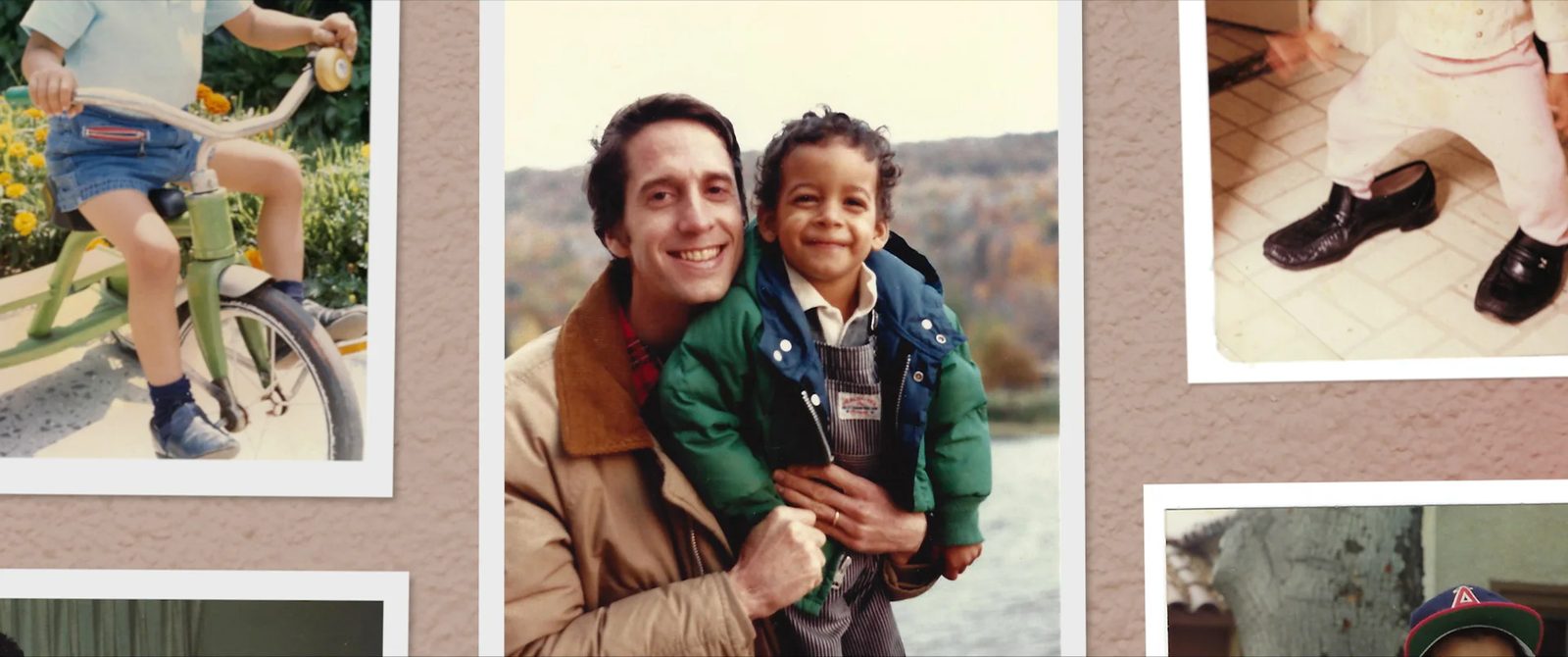
Cris came to faith at twenty-nine, and a year later Daniel was born. His first child, "the apple of my eye," as Cris still says. A bright, unusual kid, and close to his father in the easy way that makes you believe nothing could ever come between you.
In his teens, something in Daniel began to break.
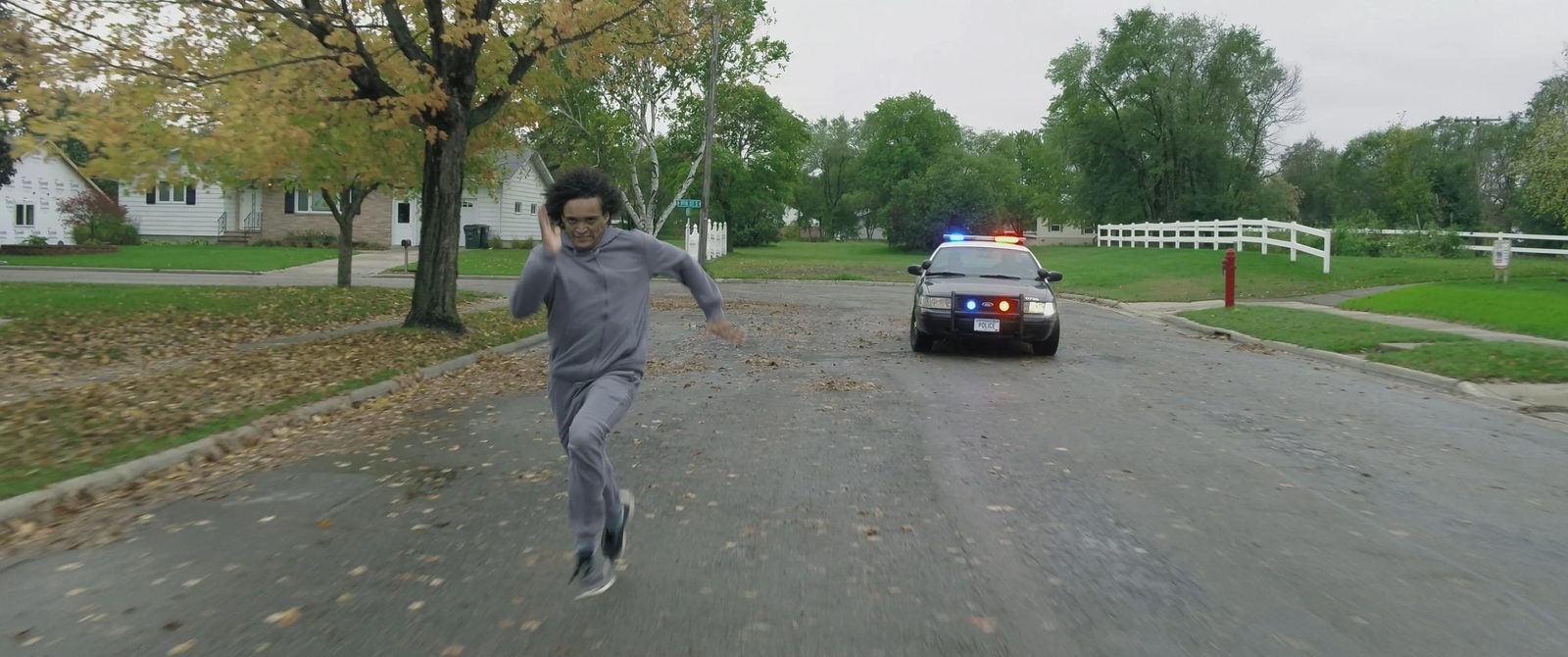
On the Fourth of July in 2000, in Virginia Beach, Cris watched his son tear down the street with the police behind him. While other families watched fireworks, Daniel spent the holiday weekend in a psychiatric unit. By his eighteenth birthday he had been involuntarily committed to Eastern State Hospital in Williamsburg, Virginia.
The doctors tried one medication after another, then electroshock therapy. Nothing held. The final diagnosis was schizoaffective disorder, bipolar type. One day the head psychiatrist took Cris aside and told him Daniel would probably spend the rest of his life in the hospital.
Cris doesn't describe what came next as courage. Some nights he cried until morning. Then he got up.
"There was work to do. There was a son to love."
Cristóbal Krusen
Letters in the dark
The years went by: Virginia, then Mexico, then Minnesota. Until he was forty, Daniel spent most of his adult life inside psychiatric hospitals. His last stay, in a high-security unit, lasted more than twelve years.
Cris is a filmmaker. He studied at NYU, founded Messenger Films in 1988 and has shot in more than twenty countries, from Latin America to Africa to Bosnia. But in those years he didn't reach for a camera. He reached for a pen.
He wrote to his friends and asked them to pray for his son. He told them about the good visits and the terrible ones, the small wins and the long setbacks. And the letters started doing something he hadn't planned. Parents wrote back. Strangers wrote back. Families living their own quiet version of the same nightmare found in his words proof that they weren't alone.
In 2007, the letters became a book, Let Me Have My Son.
Page 55
For years, friends told him the same thing: this has to be a film.
When he finally sat down to write it, a director with decades of experience found he couldn't. The outline was done and every beat was in place, yet the script stopped at page 55 of 105 and would not move.
It came back to him on a walk. A line for the father, standing in a hospital chapel in front of a room full of patients, men as lost as his own son, knowing he can't rescue any of them:
"I can't save any of you. But… I can love you."
Ben Whitmore Sr., in Let Me Have My Son
Somewhere on that walk, the tears he had held back for years finally came. He finished the draft soon after.
Playing himself
In the film, Daniel becomes Benny, played by Nathan Barlow, and Cris becomes Ben Whitmore Sr. For the first time in his career he stepped in front of the camera, to play a father searching for his son. Nobody knew the part better.
He changed the names and invented characters. But the chapel scene, a father telling patients the story of his boy, is almost exactly what happened.
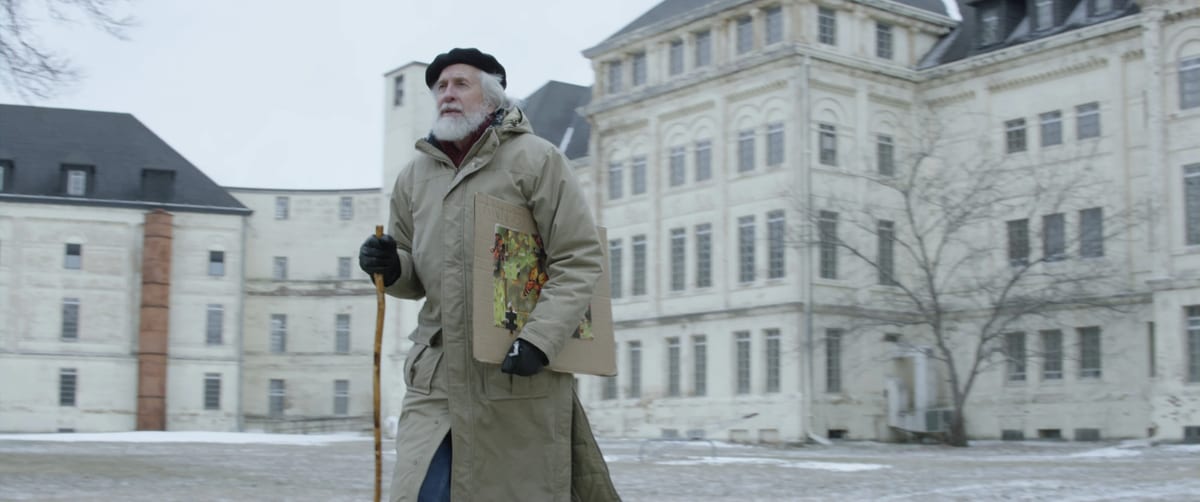
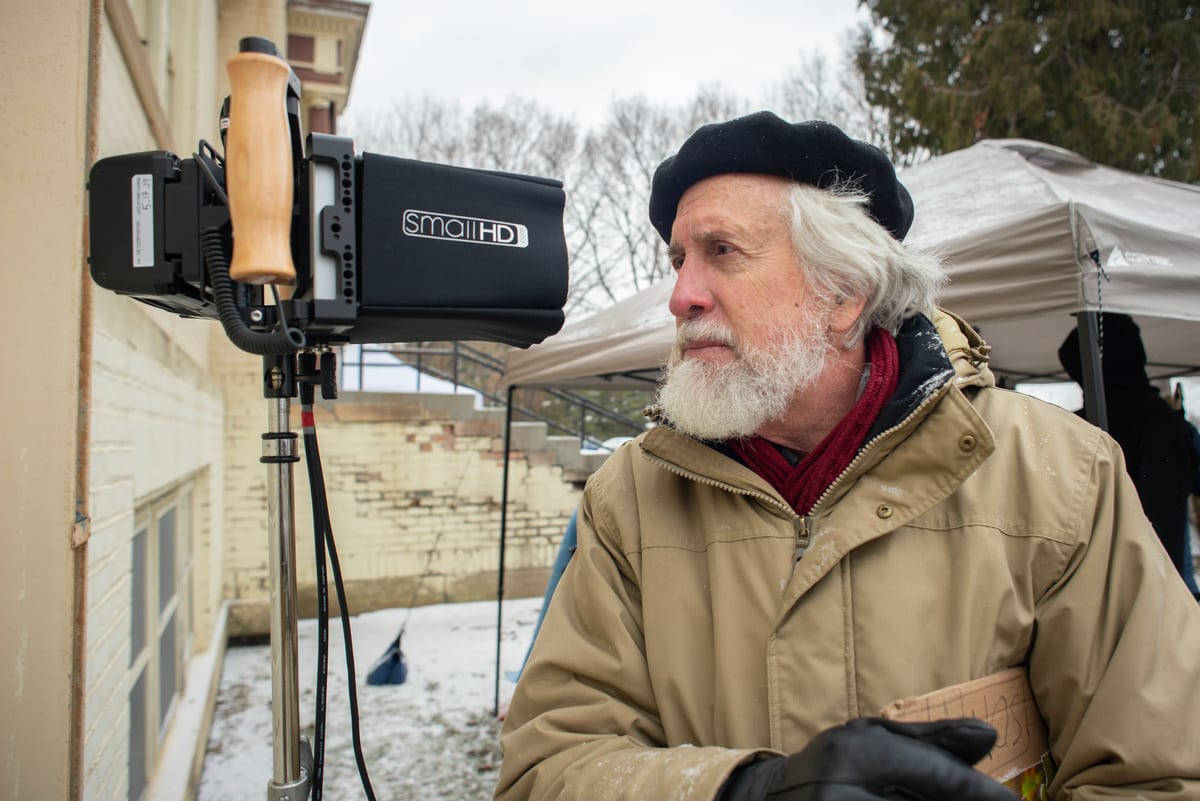
They filmed inside the old Fergus Falls State Hospital in Minnesota, in empty corridors like the ones Cris had walked for twenty years. They also filmed in Mexico, at the Piedra Herrada sanctuary, where millions of monarch butterflies gather every winter. One critic sat down expecting a gentle inspirational TV movie and found something closer to David Lynch: a father lost in the maze of an institution that has swallowed his child.

Let Me Have My Son won Best Feature Film at festivals in the United States and Spain, and Cris won a Gold Crown for Best Actor. At the very end, after the fiction, there is a short home video of the real Cris and the real Daniel with their family.
The month everything changed
The film ends on a hope, and only a hope. Ben Whitmore Sr. has to settle for imagining his son one day living in a group home, close to his family.
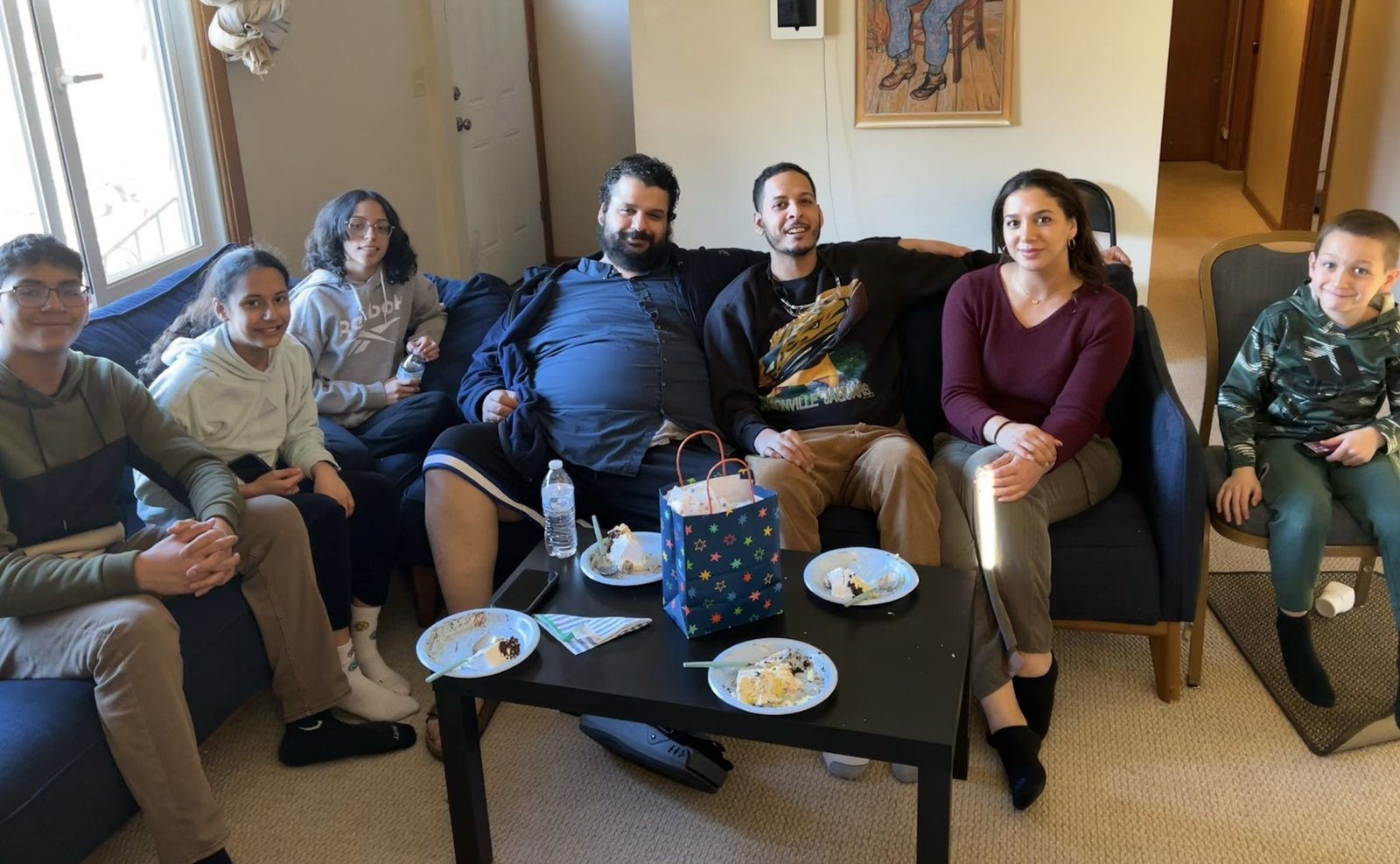
In May 2023, the month the film premiered, Daniel was granted a provisional discharge. After more than twelve years behind locked doors, he moved into a group home near his father.
He could hug his family again. Cris started planning Sunday dinners at his house. He also thought about the friends who had read about Daniel in his letters for twenty years without ever meeting him. Now they could. After all those years of reaching through a door, there would be hugs instead of handshakes.
A garden
Once he was out, Daniel asked for one thing. Not a trip, nothing extravagant. He wanted a garden where he lived.
A few months earlier that would have been impossible. You can't plant anything from a locked ward, and you can't wait for something to grow when you don't know whether you'll ever leave.
So people came. Family, friends, and people who had carried Daniel in their prayers for years showed up with their tools and their time. They dug the soil and planted the seeds together. For once, they were building something with Daniel instead of waiting for him.
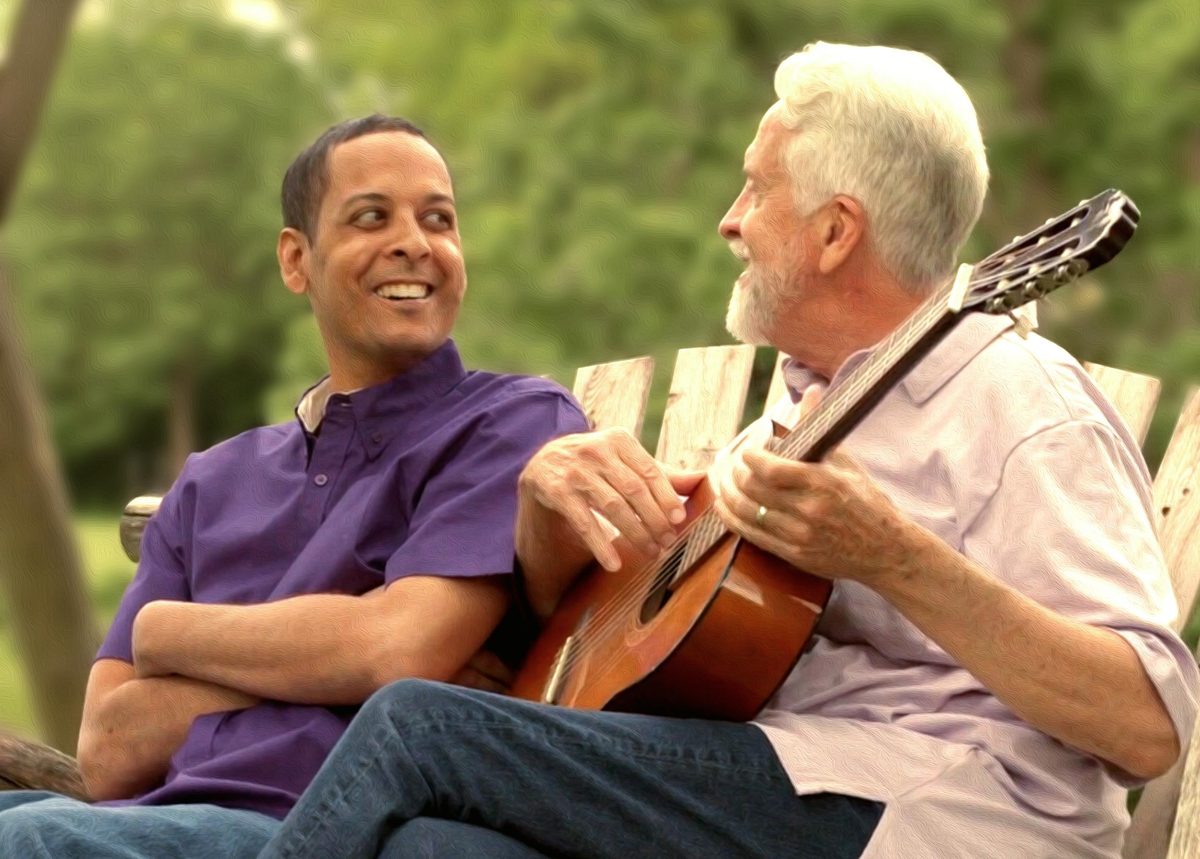
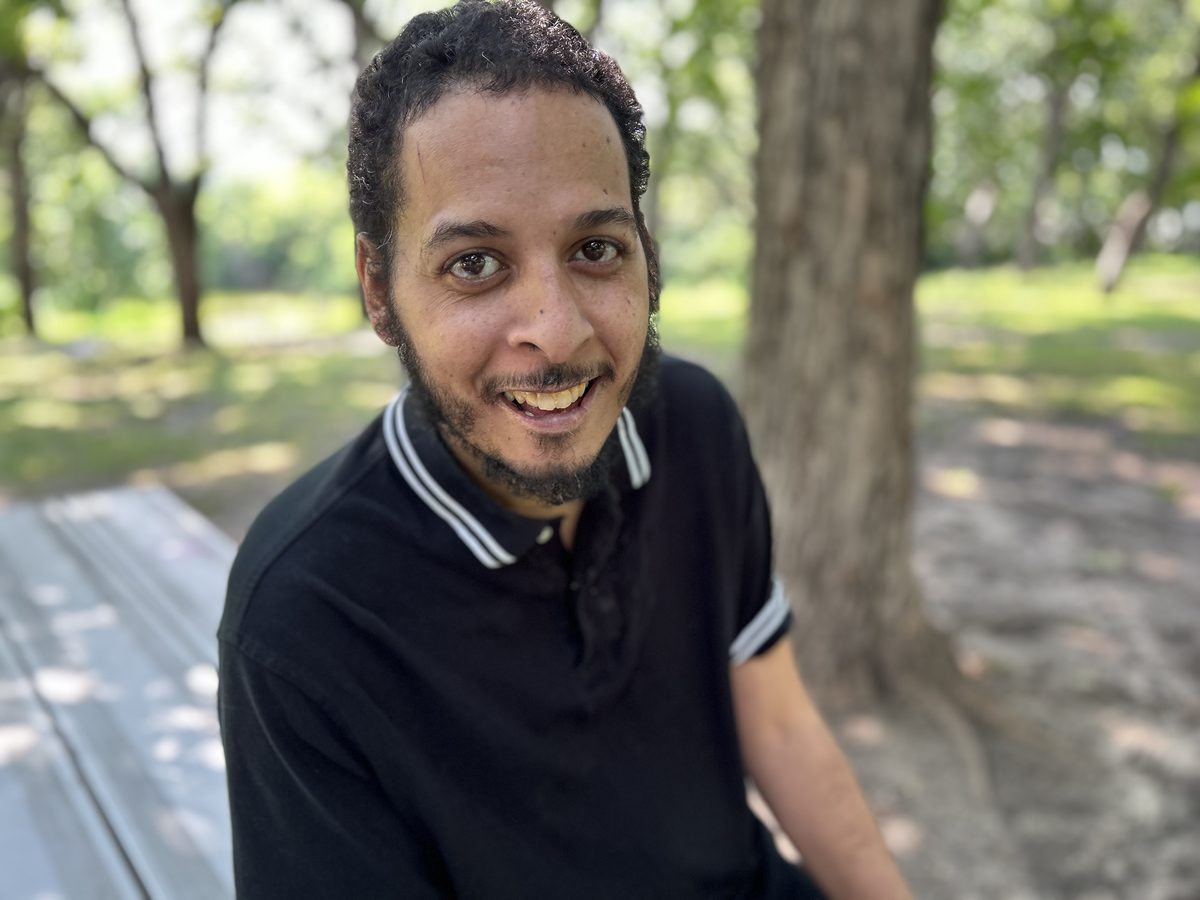
Cris picked up his camera again, this time to film real life. Daniel's Garden (2025, 55 minutes) is the documentary sequel to Let Me Have My Son. It shows what can happen when a family and a community refuse to give up on someone living with severe mental illness. Cris calls it, quite literally, a labor of love.
Somewhere in that garden, a father's hand is in the soil next to his son's. It is the same hand that once reached through the Plexiglas.
What people write back
Since the film came out, the messages keep arriving, the way the letters once did. Some come from parents, some from brothers and sisters, some from people who have never said out loud that someone in their family is ill.
"I had one of the most profound emotional experiences in my life."
K.V., a viewer
Another viewer called it one of the best films about mental illness they had ever seen. Someone wrote a single sentence that could stand for the whole story: we can't give up on each other. And one note many fathers will recognize: a father's devotion is no less than a mother's.
Passed from hand to hand
Both films now live on their own site, letmehavemyson.com, built with TribuShare.
This story was never meant to sit in an algorithmic catalogue. It was always meant to travel the way the letters did, from one family to another. On the site, anyone can send the film as a gift to up to ten people at once, with a simple note: seen it already? Share it with someone who needs it. Anyone can also host a screening, in a church, a school, a community hall or a living room.
What remains
Cris lives in Woodbury, Minnesota. He is preparing a film about the apostle Paul and has half a dozen scripts waiting their turn. By any measure, a full career.
Ask him what he is proudest of, though, and the answer might not be a film. It might be a door that finally opened. A Sunday dinner. A son who is out, close to home, with his hands in the earth.
Watch Let Me Have My Son and Daniel's Garden. If someone you love is struggling with mental illness, think about sending it to them.
New stories, straight to your inbox.
One email when a story lands, with the film it's about.